April 25, Saturday
8.30am – 3.30pm
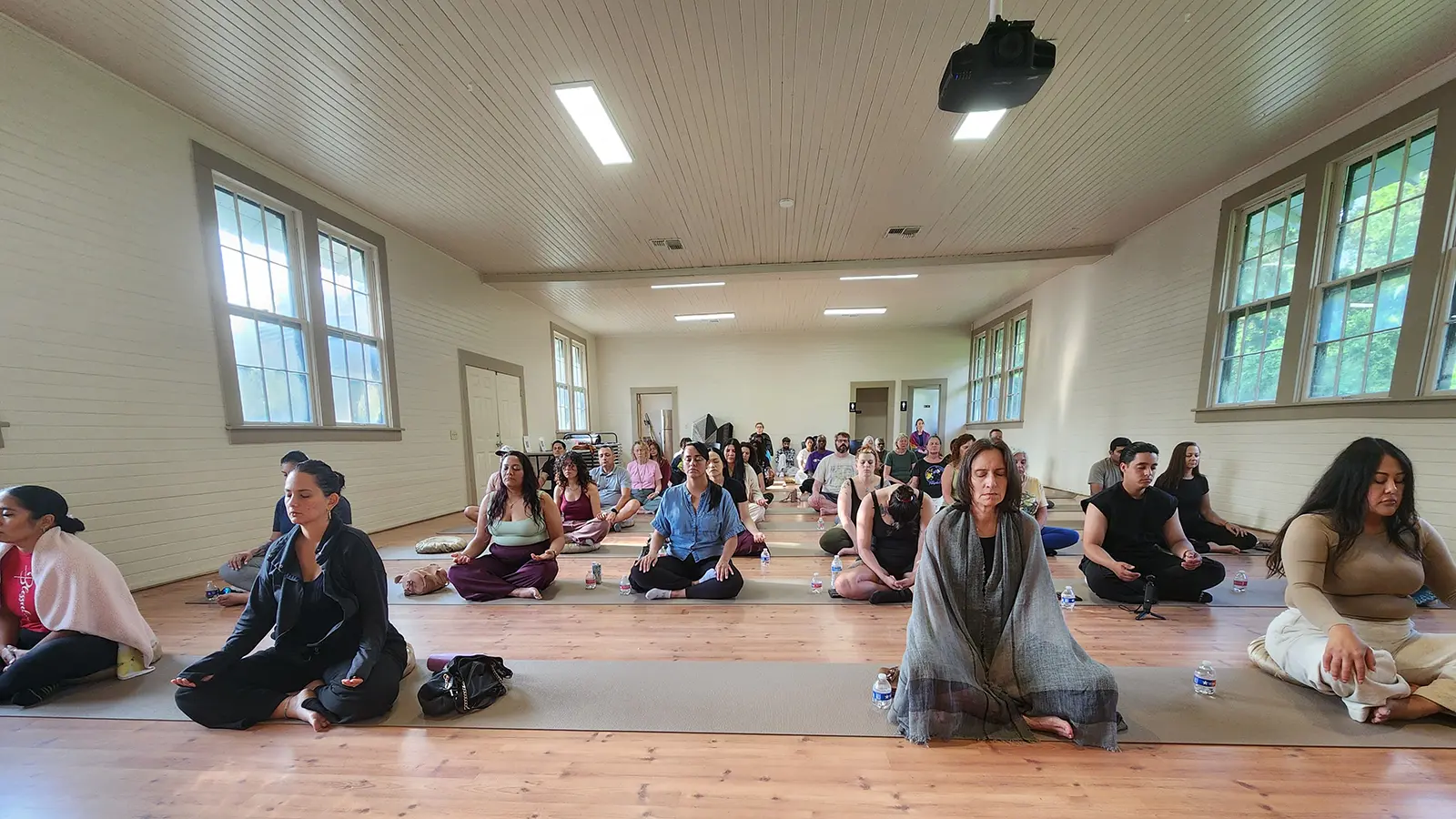
Start with a few minutes of simple guided meditation with the instructor. In just five minutes, your mind begins to calm, and with gentle guidance, you learn to stay present with your thoughts and carry that peace into your day
What you’ll experience:
The outcome: By practicing mindfulness, you’ll discover how easily you can free yourself from destructive emotions. As your mind settles, you’ll begin to notice the natural joy already within you. This retreat is an invitation to experience happiness—not as something distant, but as a state you can reach here and now.Join us for this day long journey and step into a life filled with peace, joy, and mindful living.
Loving-Kindness Meditation is a gentle practice that helps dissolve anger and cultivate a peaceful mind. By nurturing inner love and compassion, you begin to see everyone around you as cherished family. With each session, kindness blossoms within, transforming how you relate to yourself and others.
Breathing Meditation is a simple yet powerful practice that clears away mental distractions and brings clarity to your life. Imagine a dusty floor touched by gentle rain—the dust settles instantly, leaving the surface fresh and clean. In the same way, when you focus on your breath, the storms of worry, confusion, and restlessness dissolve.
With each mindful inhale and exhale, your mind becomes lighter, calmer, and more focused. This practice allows you to let go of cluttered thoughts and discover the natural peace within. Breathing Meditation is your pathway to clarity, balance, and a joyful state of being.
In walking meditation, we develop mindfulness of the body by bringing our attention to each movement we make. We focus carefully on the movement of our legs and each step as we walk.
As we continue this practice, the mind gradually becomes more focused on the present moment and on the act of walking itself.
Usually, the mind is restless and tends to wander from one thought to another, without stillness. Walking meditation helps bring the mind back to the present, reducing distraction and restlessness.
As one becomes mindful of the body, it becomes clear that every bodily action and movement arises based on a thought or intention. This understanding deepens awareness of how the mind and body are closely connected.
This practice is very effective in calming the mind and developing steady awareness.
Immerse yourself in a guided meditation that gently guides you to release tension and embrace profound relaxation. This practice involves systematically scanning your body, releasing physical and mental stress, and experiencing a state of deep tranquility.
In this meditation, we practice understanding the true nature of the body by observing it in four categories, known as the four elements.
By observing the body in this way, we begin to see it simply as a combination of natural elements rather than something personal or permanent.
When a person reflects on these elements, they also recognize that others have the same elements in their bodies, with only minor differences. This understanding reduces the sense of “I” and “mine” and helps weaken attachment.
As a result, it becomes easier to let go of anger, resentment, and negative feelings toward others. One becomes more patient and forgiving, even when faced with the shortcomings of others.
Through this practice, the mind naturally develops greater love, kindness, and compassion, allowing one to live with a peaceful and balanced heart.
In this meditation, we train the mind to feel joy and happiness for the well-being and success of others, both in their physical and mental development.
Usually, people tend to feel jealousy when others are happier, healthier, more successful, or more fortunate than themselves. For example, some may feel jealous of others’ wealth, beauty, or skills. These feelings often arise in our daily interactions with people around us.
Through this practice, we learn to replace jealousy with appreciative joy—the ability to genuinely feel happy for others. When others are doing well or living happily, we intentionally cultivate a sense of gladness and appreciation for their happiness.
By practicing this meditation regularly, the mind becomes lighter, more positive, and free from envy. It helps us develop a sincere sense of joy for others, leading to greater inner peace and harmonious relationships.
This meditation helps us let go of negative and unwanted thoughts in the mind by understanding the nature of impermanence.
In this practice, we observe the impermanence of:
We begin to see that all these experiences arise and pass away—they are not permanent.
In our daily life, when we see, hear, smell, taste, or think about something, we often experience suffering. This happens because we develop attachment, without understanding the true nature of these experiences.
This meditation helps us clearly see impermanence and gradually break that attachment, leading to a calmer and more peaceful mind.
We experience sensations, thoughts, and perceptions through our sense bases: the eye, ear, nose, tongue, body, and mind. However, when these experiences arise, we usually do not notice that they come and go, because our mindfulness is not strong enough.
In this meditation, we train ourselves to observe these experiences as they arise and pass away, without identifying them as “mine” or “self.” In daily life, we tend to cling to them, thinking, “this is mine,” and this attachment leads to suffering—especially when we encounter painful feelings.
Through this practice, we learn to understand the five aggregates that make up our experience of life, and how they constantly change depending on conditions and the environment. These are:
By observing the impermanent nature of these five aggregates, we begin to let go of attachment and develop a deeper understanding of reality. This leads to greater peace and freedom from suffering.
There is not a big difference between walking meditation and this practice. In this meditation, we train ourselves to be mindful of every movement of the body in all activities.
When this meditation is practiced well, one begins to clearly see how feelings and thoughts arise and pass away in the mind. With this understanding, it becomes easier to let go of any thoughts or feelings one does not wish to hold on to. This is how this meditation should be developed.
In this practice:
This continuous awareness of the body and mind leads to a calm, clear, and well-trained mind.
You will have the opportunity to practice three types of meditation in each session. Loving-Kindness (Metta) meditation will be included in every session, as it plays an important role in calming and softening the mind.
Your Contribution Nurtures Our Community
Our monks graciously share their timeless teachings with the community, asking
nothing in return.
To help sustain this meaningful program and cover essential expenses, we kindly
invite you to contribute $50 Your support enables us to continue offering opportunities
for peace, mindfulness, and spiritual growth to all.
Suggested Donation is $50