Lone Star Buddhist Meditation Center

The Timeless Journey to Liberation

Over countless eons, sentient beings have wandered through the endless cycle of birth and death —samsara—bound by suffering, craving, and ignorance. In the distant past, one noble being began a profound spiritual journey with unwavering determination to end this cycle and discover the path to true peace.

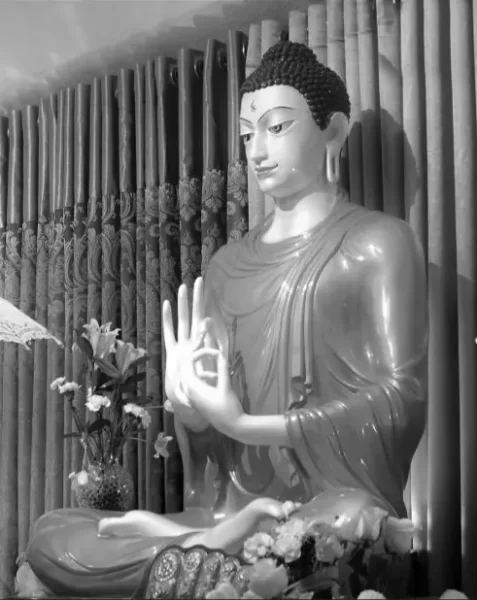
After fulfilling countless acts of merit and cultivating spiritual perfections over many lifetimes, this noble seeker attained supreme enlightenment under the sacred Bodhi Tree in India, more than 2,600 years ago. He became known as the Buddha, the Awakened One.

The Four Noble Truths

Through his own insight, without guidance from any teacher, the Buddha realized the Four Noble Truths— a universal and eternal path to liberation from suffering 

These truths form the foundation of the Buddha’s teachings and illuminate the way to Nibbāna, the ultimate freedom.

Out of compassion for all beings, the Buddha shared his realization through more than 18,000 discourses, guiding countless seekers toward the end of suffering. His teachings, preserved in the Tipiṭaka (Three Baskets of Wisdom), continue to inspire and liberate those who walk the path of virtue, concentration, and wisdom

The Noble Eightfold Path

The path is divided into three core disciplines

Paññā

Wisdom

Mundane Right View (Lokiya Sammā Diṭṭhi) – Belief in the moral law of cause and
effect:

  1. There are results of giving.
  2. There are results of offerings.
  3. There are results of helping and treating others.
  4. There are results of good and bad actions.
  5.  There is this world.
  6. There is a next world.
  7. There is a special person called mother.
  8. There is a special person called father.
  9. There are spontaneous births.
  10. There are monks who have realized the truth and teach it to others.

Supramundane Right View (Lokuttara Sammā Diṭṭhi) – Direct insight into:

  1.  The Truth of Suffering (Dukkha)
  2. The Cause of Suffering (Samudaya)
  3. The Cessation of Suffering (Nirodha)
  4. The Path Leading to the Cessation of Suffering (Magga)

 Cultivating wholesome thoughts:

  1.  Renunciation of sensual desire.
  2. Absence of ill-will.
  3. Non-harming and compassion.

Sīla

Virtuous Conduct

 Speech that promotes harmony and truth:

  1. Abstaining from telling lies.
  2. Abstaining from divisive speech.
  3. Abstaining from idle chatter.
  4. Abstaining from harsh speech.

Ethical behavior in daily life:

  1. Abstaining from killing living beings.
  2. Abstaining from stealing.
  3. Abstaining from sexual misconduct.

Earning a living righteously:

  1. Avoiding deceit, harm, and exploitation.
  2. Living in a way that supports moral and spiritual development.

Samādhi

Mental Discipline

Effort to cultivate and maintain wholesome states:

  1. Preventing unwholesome thoughts from arising.
  2. Abandoning unwholesome thoughts that have arisen.
  3.  Generating wholesome thoughts.
  4. Sustaining and perfecting wholesome states through meditation.

Clear awareness through four foundations of mindfulness:

  1. Contemplation of the body.
  2. Contemplation of feelings.
  3. Contemplation of the mind.
  4. Contemplation of mind-objects (Dhammas).

Deep meditative absorption:

  1. Developing the four jhānas, states of profound concentration and tranquility that lead to insight and liberation.

The Buddha’s Unique Realization

Without guidance from any teacher, the Buddha realized these truths through his own profound insight and the power of the paramī (spiritual perfections) accumulated over countless lifetimes. His teachings, preserved in the Tipiṭaka (Three Baskets of Wisdom), illuminate the path for all beings seeking freedom from suffering.

This noble path is not merely a philosophy—it is a living practice, a way to purify the mind, transcend grief and lamentation, and attain the supreme bliss of Nibbāna